3D Analysis Tools
A methodical, cross-functional approach to software development
Overview
3D Analysis is the practice of using 3D simulation software to render patterns inside or on a 3 Dimensional object/environment. In building science, the most commonly used 3D analysis is daylight modeling which uses computer-aided simulations to predict the pattern of controlled natural light to measure the area of illuminated space inside a building. Daylight quantity and quality is a critical part of any building, but several additional 3D analysis types can be used to inform an optimized building design.
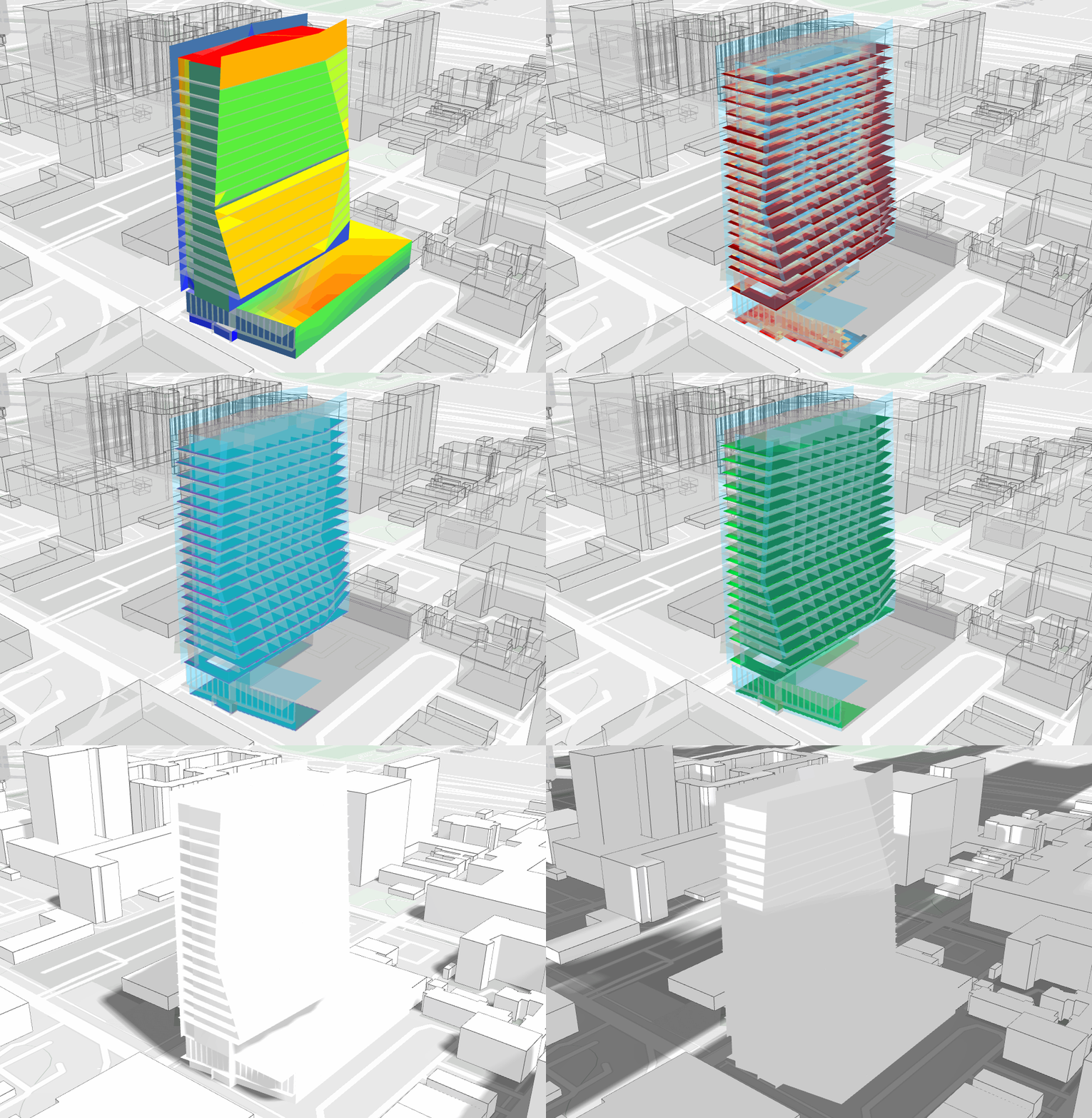
Inside cove.tool we developed a 3D environment using Mapbox and used an open API to import 3D satellite information from around the world to recreate the existing conditions around your building's site. Then we used engines like Radiance and Forward Raytracing calculation methods to generate seven different 3D analysis types.
7 Analysis Types
-
Spatial Daylight Autonomy (sDA) describes the percentage of floor area that receives at least 300 lux for at least 50% of the annual occupied hours (8 am-6 pm) on the horizontal work plane (30" above the workplane).
-
Annual Solar Exposure (ASE) refers to the percentage of space that receives too much direct sunlight (1000 Lux or more for at least 250 occupied hours per year), which can cause glare or increased cooling loads.
-
Shadow Analysis refers to the amount of solar access given to different parts of the building facade and surrounding site at various times of the day throughout the year.
-
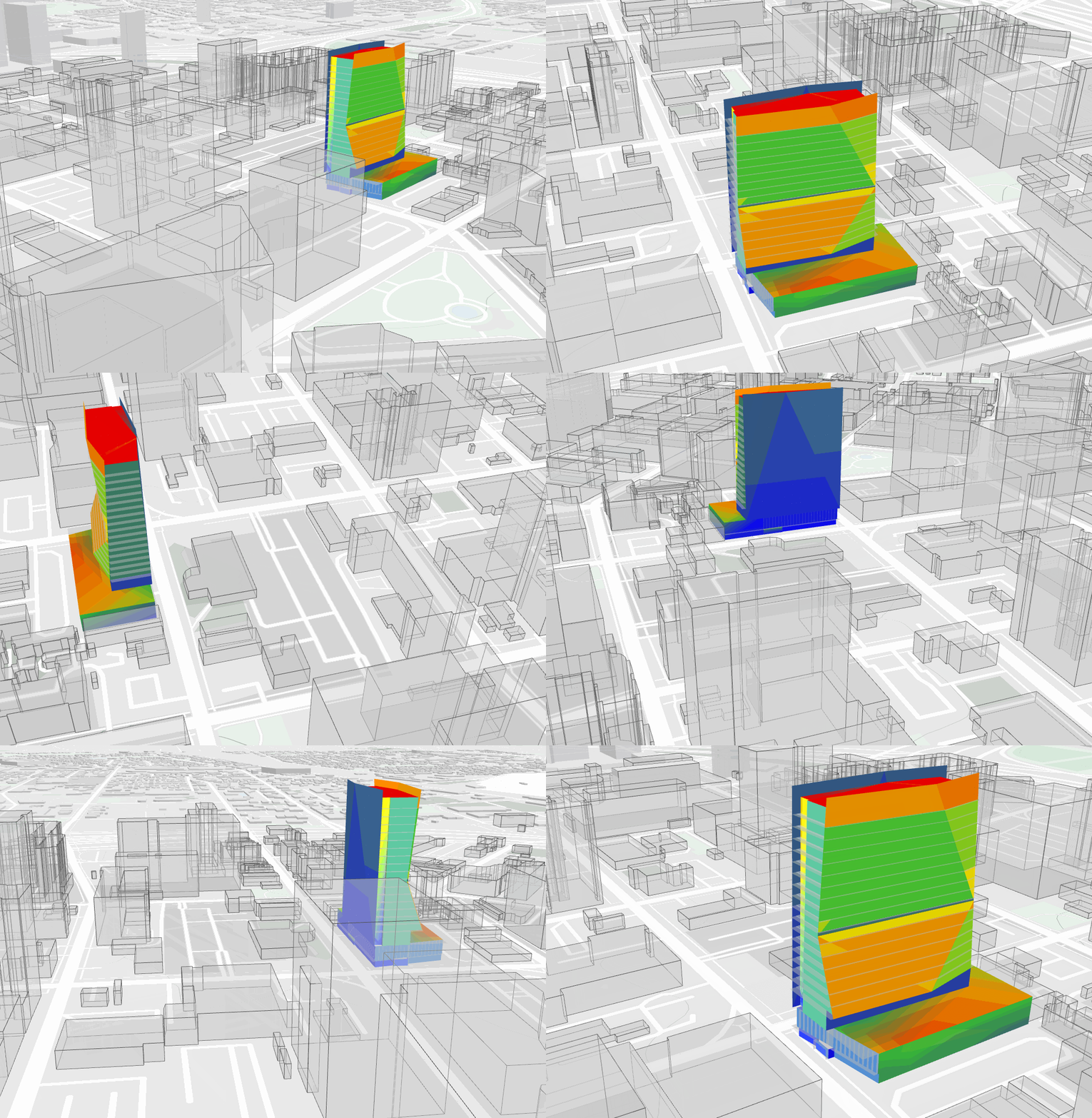
Radiation is used to evaluate the high-or-low radiation potential of each facade and envelope element.
-
Sun Hours, also known as exterior solar exposure, measures the average number of hours your building envelope receives unobstructed daylight over a typical year.
-
Quality Views is a set of standards used to evaluate the effectiveness of a building's design to provide building occupants with substantial and beneficial views.
-
COVID Occupancy Assessment is a risk assessment study that analyzes the building's interior layout for density.
Benefits of 3D analysis
You can create and visualize spatial data using a third dimension to provide insight, reveal trends, and solve problems. With 3D analysis, you can also create high-quality architectural graphics and diagrams that help to communicate the design concept, highlight the strong points of a project, and display the true potential of the design concept. Research also highlights the benefit of daylight in health, happiness, and productivity.
-
Bright lighting is generally believed to make people more alert, and occupants perceive well-daylit spaces to be “better" than dim gloomy ones (Mardaljevic et al. 2012).
-
Daylighting has been associated with improved mood, enhanced morale, less fatigue, and reduced eyestrain (Robbins, 1986).
-
Several studies in office buildings have recorded the energy savings for electric lighting from using daylight in the range of 20-60% (Galasiu, 2007)


